

Design Technology
Our Vision for Design and Technology at Allenbourn Middle School
At Allenbourn Middle School, Design and Technology provides pupils with the opportunity to combine creativity, practical skills and problem-solving to design and create solutions for real-world challenges. It is a subject that encourages pupils to think critically, take risks and develop the confidence to turn ideas into meaningful outcomes.
Through our Design and Technology curriculum, pupils explore three key disciplines: Product Design, Textiles and Food Technology. This allows them to develop a broad range of practical skills while understanding the importance of design, innovation and sustainability. Pupils take pride in creating products that have a purpose, whether it is a functional product, a designed textile item or a healthy meal prepared for themselves and others.
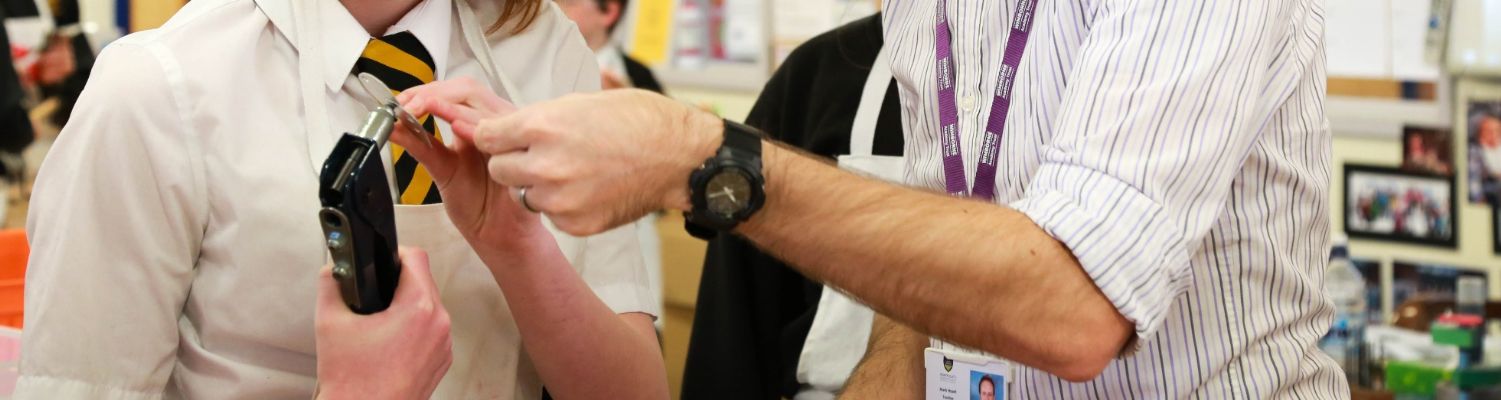
Product Design provides pupils with opportunities to work with a wide range of tools, materials and technologies, including computer-aided design and manufacture. Through access to specialist equipment, including a laser cutter, pupils experience modern design and manufacturing techniques used in industry.
Textiles enables pupils to explore creativity through the development of their own designs and products. They learn a range of specialist techniques, including appliqué, sublimation printing and digital embroidery, while considering how materials can be used responsibly and sustainably.
Food Technology develops essential life skills, enabling pupils to prepare healthy and nutritious meals safely and confidently. Through practical cooking experiences, pupils learn about food preparation, hygiene, nutrition and the importance of making informed choices about the food they eat.
How Design and Technology Links to Other Subjects
Design and Technology draws on knowledge and skills from across the curriculum. Links with Art are developed through design, creativity, colour, pattern and material exploration, while Science supports pupils’ understanding of materials, forces and mechanisms.
Pupils also explore wider issues such as sustainability, reducing waste and the impact of design on society and the environment. Projects encourage pupils to consider how products can be made responsibly, including exploring ideas such as reducing plastic pollution, creating sustainable products and developing a ‘make-do and mend’ approach.
Food Technology links closely with science and personal development through learning about nutrition, healthy eating and food safety. Pupils develop important life skills, including planning meals, preparing ingredients and cooking for themselves and others.
How You Can Support Design and Technology at Home
Encourage your child to be curious about how things are made by involving them in practical activities such as assembling, repairing or adapting items around the home. Simple activities, such as measuring spaces, creating plans or solving everyday problems, help develop design thinking and problem-solving skills.
Support the development of practical skills through activities such as sewing, repairing clothes, tying knots or exploring different materials. Encouraging a creative and sustainable approach to using resources helps children understand the value of making products last.
In Food Technology, involve your child in planning meals, shopping for ingredients and preparing food. Encourage them to develop confidence in the kitchen by learning how to use equipment safely, follow recipes, understand nutrition and maintain good hygiene.